Passer au contenu

Chauffage des espaces publics

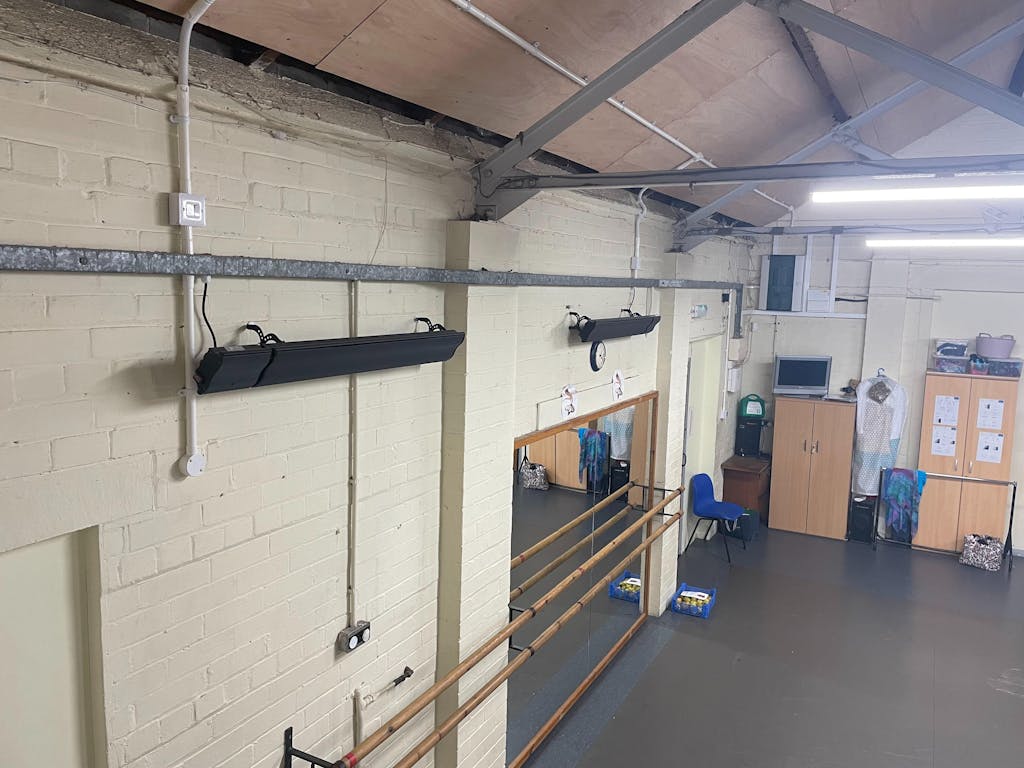
Les bâtiments publics et patrimoniaux présentent souvent des défis complexes en matière de chauffage, notamment dans des espaces tels que les églises, les salles communales, les salles des fêtes et les sites historiques. Les grands volumes intérieurs, les hauts plafonds, les murs épais en maçonnerie et l'isolation limitée peuvent rendre les systèmes de chauffage conventionnels inefficaces et difficiles à réguler.

Le chauffage infrarouge offre une alternative efficace en diffusant une chaleur rayonnante directement aux occupants et aux surfaces intérieures, plutôt que de tenter de chauffer de grands volumes d'air. Il est ainsi particulièrement adapté aux bâtiments où le maintien d'un confort constant s'est traditionnellement avéré problématique, notamment lors d'une utilisation intermittente ou saisonnière.

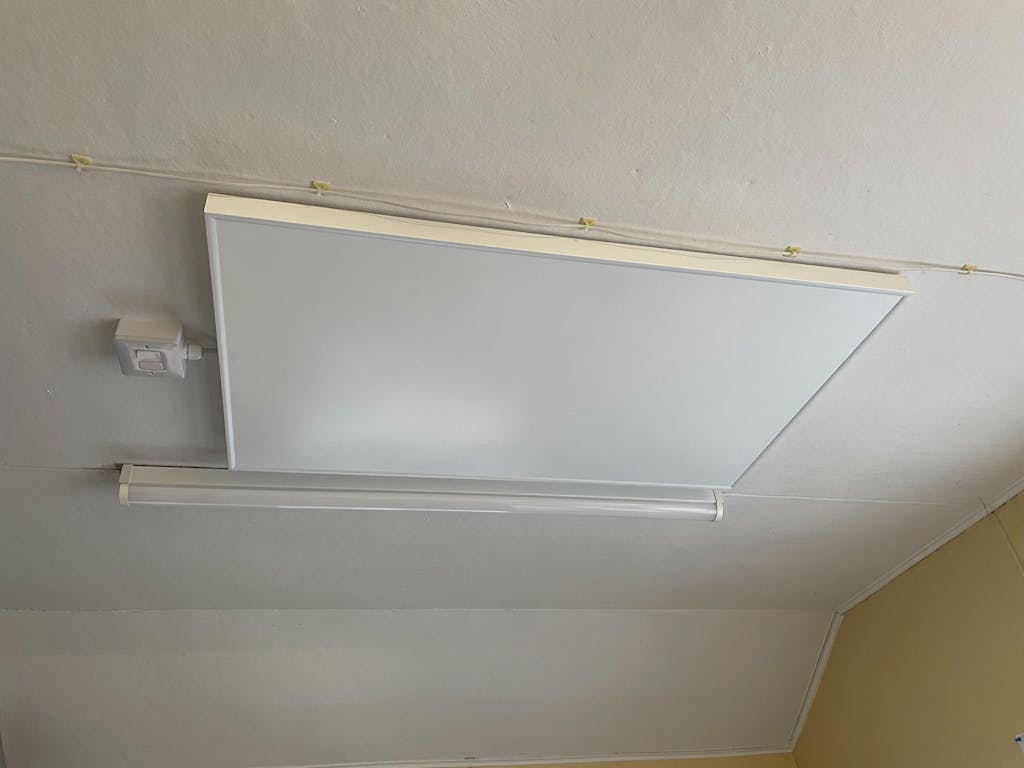
Les panneaux infrarouges peuvent être installés discrètement afin de minimiser leur impact visuel, contribuant ainsi à préserver le caractère et l'intégrité des intérieurs historiques. En chauffant doucement les murs et les surfaces, le chauffage infrarouge peut également contribuer à réduire la condensation et l'humidité, assurant ainsi la protection à long terme des finitions, des œuvres d'art, du mobilier et des éléments architecturaux.

Pour les espaces publics et communautaires, le chauffage infrarouge permet un zonage et une programmation flexibles. Les différentes zones peuvent être chauffées uniquement lorsqu'elles sont utilisées, par exemple lors de services, de réunions ou d'événements, ce qui améliore l'efficacité énergétique tout en maintenant un confort optimal. Cette page explique comment le chauffage infrarouge peut être appliqué dans les espaces publics et patrimoniaux pour garantir une chaleur fiable, un meilleur contrôle et une consommation d'énergie responsable.


Why Choose Infrared Heating?

Infrared heating delivers comfortable, even warmth by heating people and surfaces directly rather than warming the surrounding air. This approach improves comfort, reduces heat loss and supports more efficient energy use across a wide range of environments.

Effortless warmth. Long-term efficiency.
Learn how infrared heating works and where it performs best
Energy Efficient
Eco Friendly
Health Benefits
Zone Heating
Fast Warm-Up
Reduces Damp

Technical considerations

When specifying an infrared heating system, performance depends on correct design rather than product selection alone. The following considerations help ensure the system delivers consistent comfort, predictable running costs and long-term reliability.

Ceiling height & space volume

Room volume and ceiling height directly influence heat demand. Infrared performs particularly well in spaces with high ceilings, as warmth is delivered to occupants and surfaces without stratification or heat loss at roof level.

Zoning & system layout

Infrared systems are typically designed around zones rather than whole-building heating. This allows individual rooms or areas to be heated independently, improving comfort control while reducing unnecessary energy use.

Usage patterns

Understanding how and when a space is used is essential. Intermittently occupied areas benefit from infrared’s fast response, while regularly used spaces gain from stable surface temperatures and consistent background warmth.

Retrofit vs new build

Infrared heating is well suited to both retrofit projects and new builds. Installation requirements are minimal, making it particularly effective where traditional pipework or plant rooms are impractical or costly.

Controls & thermostats

Accurate control is critical to system efficiency. Infrared heaters can be paired with thermostats and zoning controls to ensure temperatures are maintained only where and when required.

Energy performance & efficiency

By reducing heat loss, air movement and warm-up time, infrared systems often operate more efficiently than conventional heating. Correct specification ensures output closely matches demand, avoiding oversizing and wasted energy.

Common questions about infrared heating

Where is infrared heating most effective?

Infrared heating is most effective in spaces where targeted, efficient warmth is required. This includes homes, offices, retail environments, industrial buildings, public spaces and specialist settings such as animal facilities. Because infrared heats people and surfaces directly rather than the air, it performs especially well in high ceilings, open areas and intermittently used spaces.

How does infrared heating differ from traditional systems?

Traditional heating systems warm the air, which then rises and escapes through ventilation, doors or poorly insulated areas. Infrared heating works differently by transferring radiant heat directly to people, walls and objects. This results in more even comfort, reduced heat loss and lower energy consumption in many real-world applications.

Is infrared heating suitable for both retrofit and new projects?

Yes. Infrared heating systems are widely used in both retrofit installations and new builds. Their slim profile, simple electrical installation and modular design make them ideal where traditional pipework, plant rooms or extensive building work would be impractical or costly.

Next steps

Whether you are at the early planning stage or ready to specify a system, we provide tools and technical support to help you make informed decisions with confidence.

Calculate system requirements

Use our infrared heating calculator to estimate heat demand, system size and indicative costs based on room dimensions and usage.

Launch the heating calculator

Speak to a technical specialist

Our team can assist with system layout, product selection, zoning strategy and control integration for your specific environment.

Contact our technical team

Explore suitable heater ranges

View our infrared heater ranges, including panels, bar heaters and specialist solutions designed for different applications.

Browse infrared heating products
Or speak to us directly on 01204 520544 or email info@infraredheatingsupplies.com