INFRARED HEATING SOLUTIONS
Infrared Heating for Care Homes
THE APPLICATION
Care homes and social housing providers face increasing pressure to deliver safe, reliable and energy efficient heating while keeping running costs under control. Traditional systems such as gas radiators and convection heaters often struggle to provide consistent warmth across varied property types and can contribute to poor air quality, condensation and rising maintenance costs.
Infrared heating offers a modern alternative that is particularly well suited to environments where resident comfort, safety and wellbeing are essential. Rather than heating the air, infrared heating works by warming people, walls and furnishings directly. This results in an even, stable temperature throughout the room without cold spots or draughts.
In care environments, maintaining a healthy indoor climate is critical. Convection systems circulate warm air, which can carry dust and allergens and create uncomfortable temperature fluctuations. Infrared heating operates silently with no air movement, helping to improve air quality and support residents with respiratory conditions or reduced mobility.
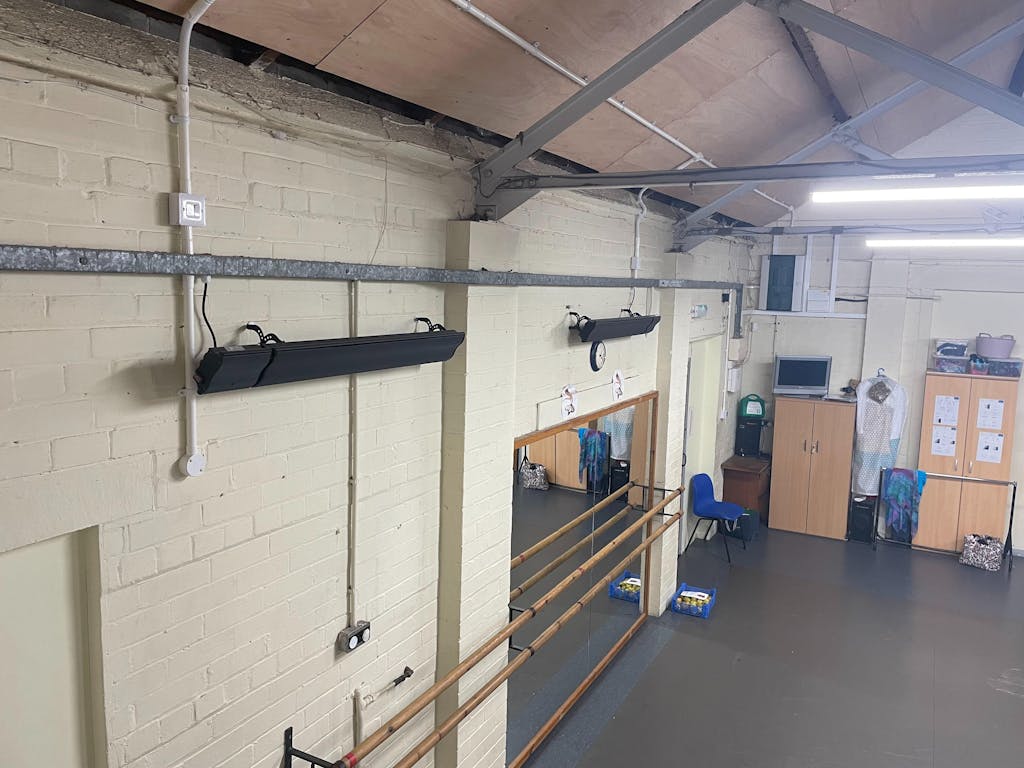
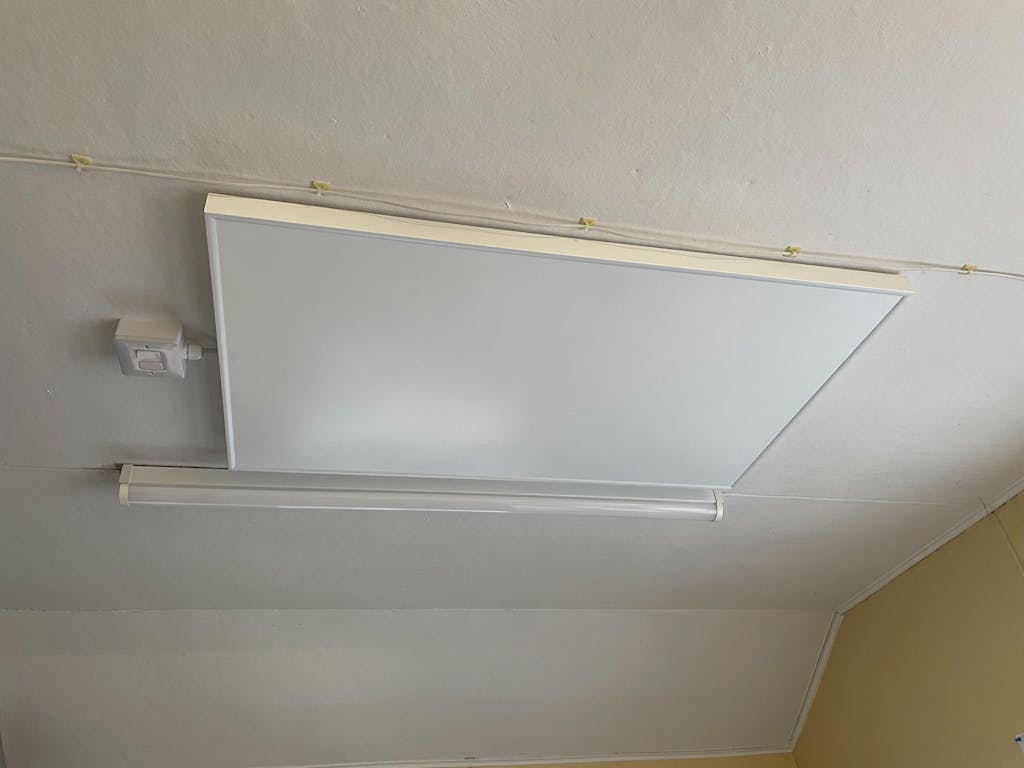
Safety is another major consideration. Infrared panels can be installed on ceilings or high on walls, keeping them out of reach and removing the risk of burns, leaks or tampering. With no moving parts, fluids or exposed elements, they provide a safe and reliable heating solution for vulnerable occupants.
Infrared heating is also highly cost effective for housing providers. Panels require no servicing, have a long operational lifespan and can be controlled room by room. When paired with smart thermostats, heating is delivered only where and when it is needed, helping care homes and housing associations reduce energy usage by up to 60 percent.
Because infrared heat warms surfaces rather than air, it also helps reduce condensation and inhibit mould growth. This is particularly beneficial in older properties where damp can pose serious health risks. The result is a drier, healthier living environment with lower ongoing maintenance demands.
At Infrared Heating Supplies, we support care homes and social housing providers with scalable heating solutions designed for both retrofit and new build projects. Our systems offer long term reliability, minimal disruption during installation and measurable savings over time.
Learn more about the wider advantages of infrared technology on our health benefits and environmental benefits pages.
Our heating collection
Heating designed
around your space.
Explore our range of infrared heating - from discreet ceiling and wall panels to contemporary glass, mirror and high-output specialised heating solutions.




Where infrared heating works best in care homes and social housing
Infrared heating is suitable for a wide range of residential and communal spaces, including bedrooms, lounges, corridors, offices and shared living areas. Because heat is delivered directly to occupants and room surfaces, comfort levels remain consistent even in buildings with varying insulation standards.
Ceiling mounted infrared panels are especially effective in care environments, as they remain out of reach and free from obstruction. Wall mounted options are also available for rooms where ceiling installation is not practical.
Each room or zone can be controlled independently, allowing providers to tailor heating schedules to occupancy patterns and individual resident needs. This level of control is particularly valuable in supported living environments where usage varies throughout the day.

Calculate the right infrared heating for your space
Use our wattage calculator to determine the correct infrared heating setup based on room size, insulation, and how the space is used.
Performance, safety and efficiency considerations
When designing an infrared heating system for care homes or social housing, factors such as room size, insulation levels and ceiling height should be taken into account. Bedrooms and private living spaces typically require lower wattage panels, while communal areas may need multiple units for even coverage.
Infrared systems are virtually maintenance free. With no boilers, pipework or filters, they significantly reduce long term servicing costs and eliminate the risk of leaks or mechanical failure.
All infrared panels supplied are fully compliant with UK safety standards and are suitable for use in environments where resident wellbeing is a priority. Their silent operation ensures no disruption to rest or care routines.
From a sustainability perspective, infrared heating supports decarbonisation strategies. Systems are fully electric and can be powered by renewable energy sources, helping housing providers meet environmental targets while lowering operational costs.
FAQS
Frequently asked questions
Is infrared heating safe for elderly or vulnerable residents?
Yes. Infrared panels are safe, silent and can be installed out of reach. They produce gentle radiant warmth without exposed hot surfaces.
Can infrared heating be installed in both private and communal areas?
Yes. Panels can be used in bedrooms, lounges, corridors, offices and shared spaces, with independent control for each area.
Will infrared heating reduce maintenance requirements?
Yes. Infrared panels have no moving parts, fluids or filters and typically last up to 100,000 hours with no servicing required.
Can infrared heaters work with smart controls?
Yes. Infrared systems are compatible with smart thermostats, allowing precise room by room control and reduced energy waste.