Health Benefits of Far Infrared Heating
Far infrared heating is a form of radiant heating that delivers warmth directly to people and solid surfaces, rather than heating the air first. Beyond comfort and efficiency, this method of heat delivery offers a number of well-documented health and wellbeing advantages when used in indoor environments.
Unlike conventional convection heating systems, far infrared heat works in a way that more closely resembles natural sunlight, without ultraviolet radiation. The result is a gentle, deeply comfortable warmth that supports healthier indoor conditions across homes, workplaces and specialist environments.
This page focuses specifically on the health-related benefits of far infrared heating. For a technical explanation of how the technology works, see our Infrared Heating Guide.
Key health benefits at a glance
- Improved indoor air quality with reduced dust circulation
- Helps reduce damp, condensation and surface mould
- Supports circulation and warmth to extremities
- May help relieve muscle stiffness and joint discomfort
- Creates calmer, quieter and less stressful environments
- Safe, non ionising radiant heat with no ultraviolet output
How far infrared heating supports healthier indoor environments
Improved air quality for asthma and allergy sufferers
Traditional heating systems rely on circulating warm air, which can disturb dust, pollen, allergens and airborne particles. Far infrared heating operates without air movement, meaning fewer particles are lifted and circulated throughout a room.
This can result in a cleaner, more comfortable indoor environment, particularly beneficial for people with asthma, allergies or respiratory sensitivities. Reduced air circulation may also help limit the spread of airborne contaminants within enclosed spaces.

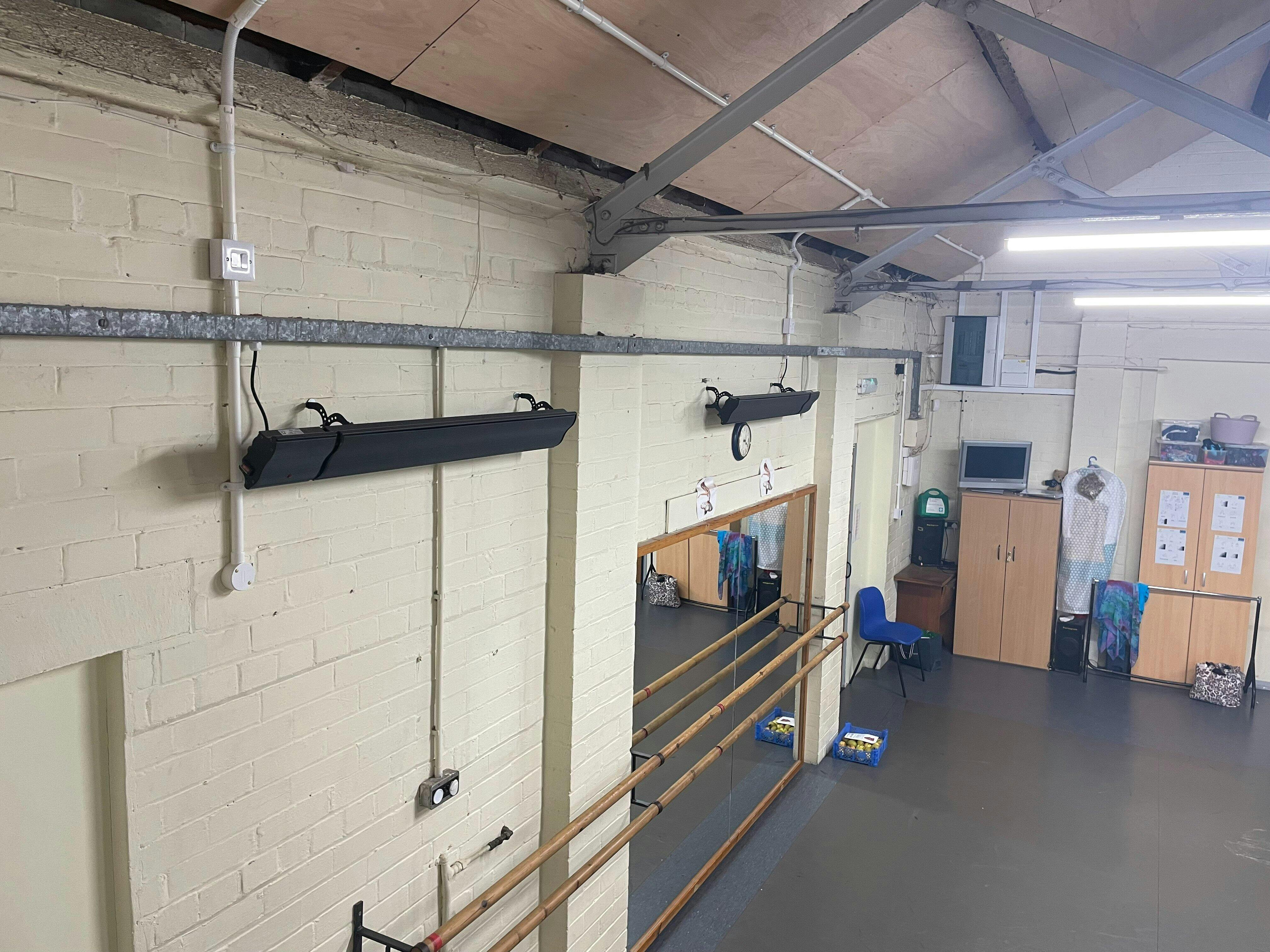
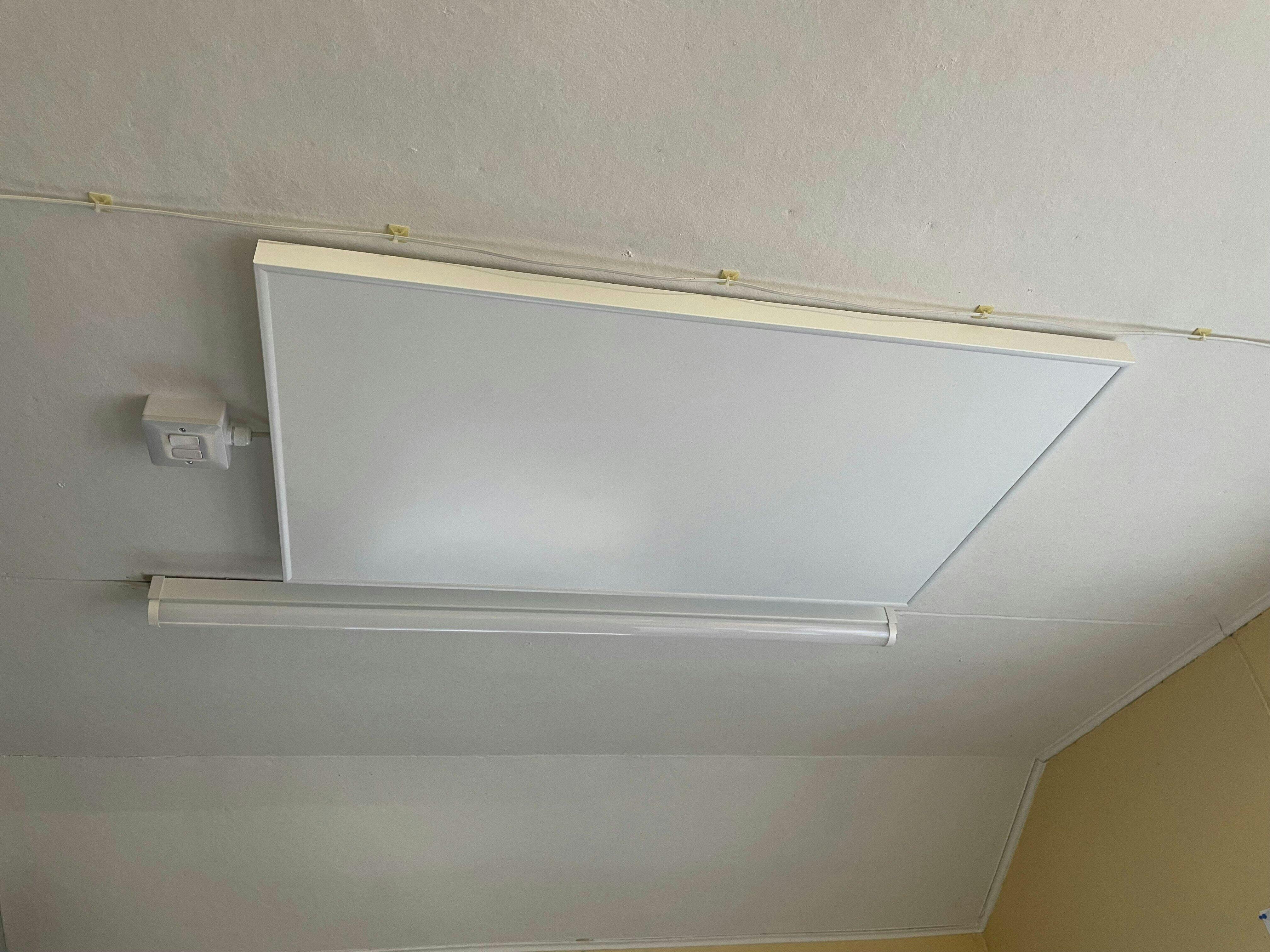
Infrared heating delivers warmth directly to people and surfaces, reducing air movement and helping maintain cleaner indoor air compared to convection-based heating systems.
Reduced damp, condensation and mould growth
Far infrared heat warms walls, floors and solid surfaces directly. By raising surface temperatures, it helps reduce the conditions that allow condensation to form. This can be particularly valuable in properties prone to damp or poor ventilation.
Lower surface moisture levels may help limit mould growth and associated health concerns. More detail is available in our guide to infrared heating and damp prevention.
Improved circulation and warmth to extremities
Radiant heat penetrates the body more effectively than warm air alone. Far infrared warmth is absorbed by the skin and can encourage vasodilation, increasing blood flow to muscles and extremities.
This effect is often beneficial for people who suffer from cold hands and feet or circulation-related conditions such as Raynaud’s disease. Improved circulation also supports general comfort and mobility in cooler environments.
Muscle recovery, joint comfort and pain relief
Gentle, consistent warmth can help relax muscles, reduce stiffness and support joint mobility. Far infrared heat is commonly used in physiotherapy and wellness environments due to its ability to deliver heat evenly without overheating the air.
Many users report relief from muscular tension, arthritis discomfort and chronic joint stiffness when spaces are heated using infrared rather than convection-based systems.
Stress reduction and mental wellbeing
Far infrared heat provides a calming form of warmth similar to natural sunlight, without UV exposure. Stable temperatures, silent operation and reduced air movement can contribute to more relaxed indoor environments.
These conditions may support improved sleep quality, lower stress levels and increased mental comfort, particularly in bedrooms, home offices, yoga studios and care environments.
Immune system support
Scientific research has shown that far infrared exposure can stimulate circulation and support immune response by encouraging white blood cell activity. This is one reason infrared heat is often used in healthcare and recovery settings.
While infrared heating is not a medical treatment, maintaining warm, stable indoor conditions can help reduce cold-related stress on the body during winter months.
Detoxification and metabolic support
As far infrared heat gently raises body temperature, it may encourage mild sweating, which supports natural detoxification processes. This effect is similar to low-temperature infrared sauna environments, but achieved at comfortable ambient temperatures suitable for everyday use.
Safe, silent and low-maintenance heating
Far infrared heating panels produce non ionising radiation and do not emit ultraviolet light. They contain no moving parts, fans or filters and operate silently, making them suitable for nurseries, clinics, wellness centres and care environments.
Modern infrared panels include thermal cut-outs and are designed to meet recognised UK and European safety standards when installed correctly.

Energy Efficient
Save up to 60% on your heating bills compared to traditional heating methods.

Health
Reduces dust circulation and improves air quality — great for allergies.

Enhanced Comfort
Even heat distribution with no cold spots, just warm, balanced spaces.

Zoned Heating
Heat only the rooms you use, increasing efficiency and reducing waste.

Quick Instant Heat
Feel warmth almost immediately — perfect for cold mornings and rooms.

Low Maintenance
No moving parts means less to go wrong. Just install and enjoy.

Silent Operation
No fans or noise. Enjoy uninterrupted warmth in peace and quiet.

Damp & Mould Prevention
Reduces condensation and moisture by heating surfaces evenly.
Frequently asked questions about far infrared heating
Is far infrared heating safe for everyday use
Yes. Far infrared heating produces non ionising radiant heat and does not emit ultraviolet radiation. Modern panels are designed for continuous indoor use and include built-in safety features such as thermal cut-outs.
Can far infrared heating improve air quality
Far infrared heating does not rely on air circulation, which means less movement of dust and allergens. This can help create a cleaner indoor environment compared to convection-based heating systems.
Does far infrared heating help with damp and mould
By warming walls and solid surfaces directly, far infrared heating can reduce surface condensation, which may limit mould growth and improve indoor conditions.
Can infrared heating help circulation and joint comfort
Radiant heat can support circulation and muscle relaxation by delivering warmth directly to the body. Many users report improved comfort for cold extremities, muscle stiffness and joint discomfort.
Is far infrared heating suitable for sensitive environments
Yes. Infrared heating is silent, produces no airflow and maintains stable temperatures, making it suitable for bedrooms, care homes, clinics and wellness spaces.