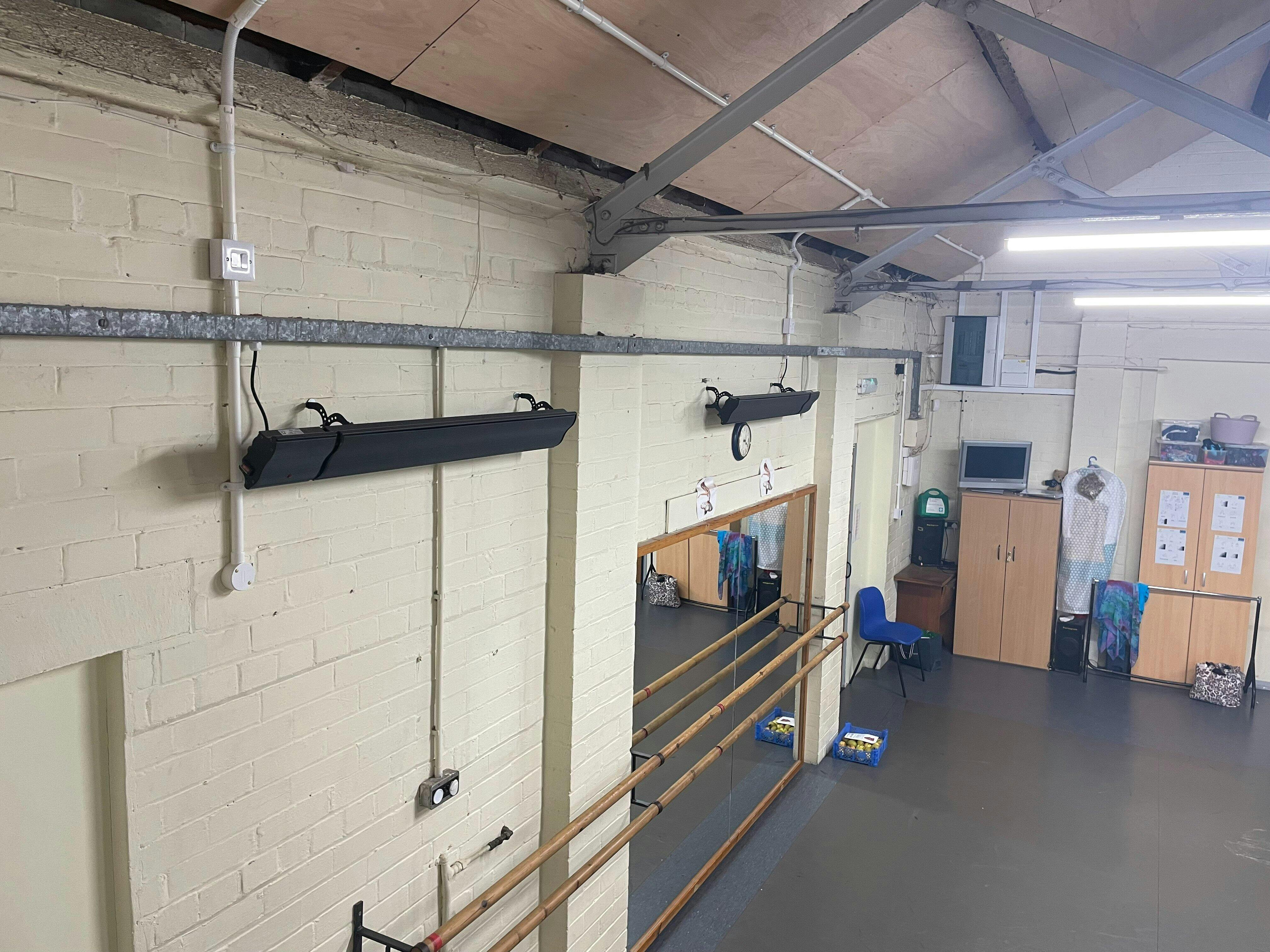
Infrared Heating for Cafes, Bars and Restaurants
Cafés, bars, and restaurants present a unique heating challenge. High footfall, frequent door use, and varied room layouts often make traditional heating systems inefficient and expensive to operate. Maintaining a comfortable indoor environment without overheating or wasted energy is essential for both customer experience and operating costs.
Far infrared heating offers an effective solution for fully enclosed hospitality spaces by delivering radiant warmth directly to people and surfaces rather than heating the air. This approach helps maintain a more stable indoor temperature even when doors are opened frequently throughout service.
Unlike conventional gas or convection heating, far infrared panels do not rely on circulating warm air. This reduces heat loss caused by ventilation and avoids the stuffy conditions that can occur in busy dining environments.
Far infrared heating is best suited to enclosed indoor areas such as dining rooms, bars, lounges, kitchens, reception areas, and staff zones. These systems are not designed for outdoor or open-air spaces, but they excel in controlled indoor environments where comfort and efficiency are priorities.
For businesses looking to understand the technology in more detail, our Infrared Heating Guide explains how radiant heating works and why it is increasingly adopted in commercial buildings.
Recommended Products




Where infrared heating works best in cafés, bars and restaurants
Far infrared heating performs best in enclosed hospitality spaces where air temperature is difficult to maintain using traditional systems. Dining rooms, bar seating areas, private rooms, and indoor waiting zones benefit from consistent radiant warmth that is not affected by draughts or air movement.
Because far infrared heat warms people, furniture, floors, and walls directly, comfort is felt more evenly throughout the space. This helps eliminate cold spots near entrances and improves overall thermal comfort for seated guests.
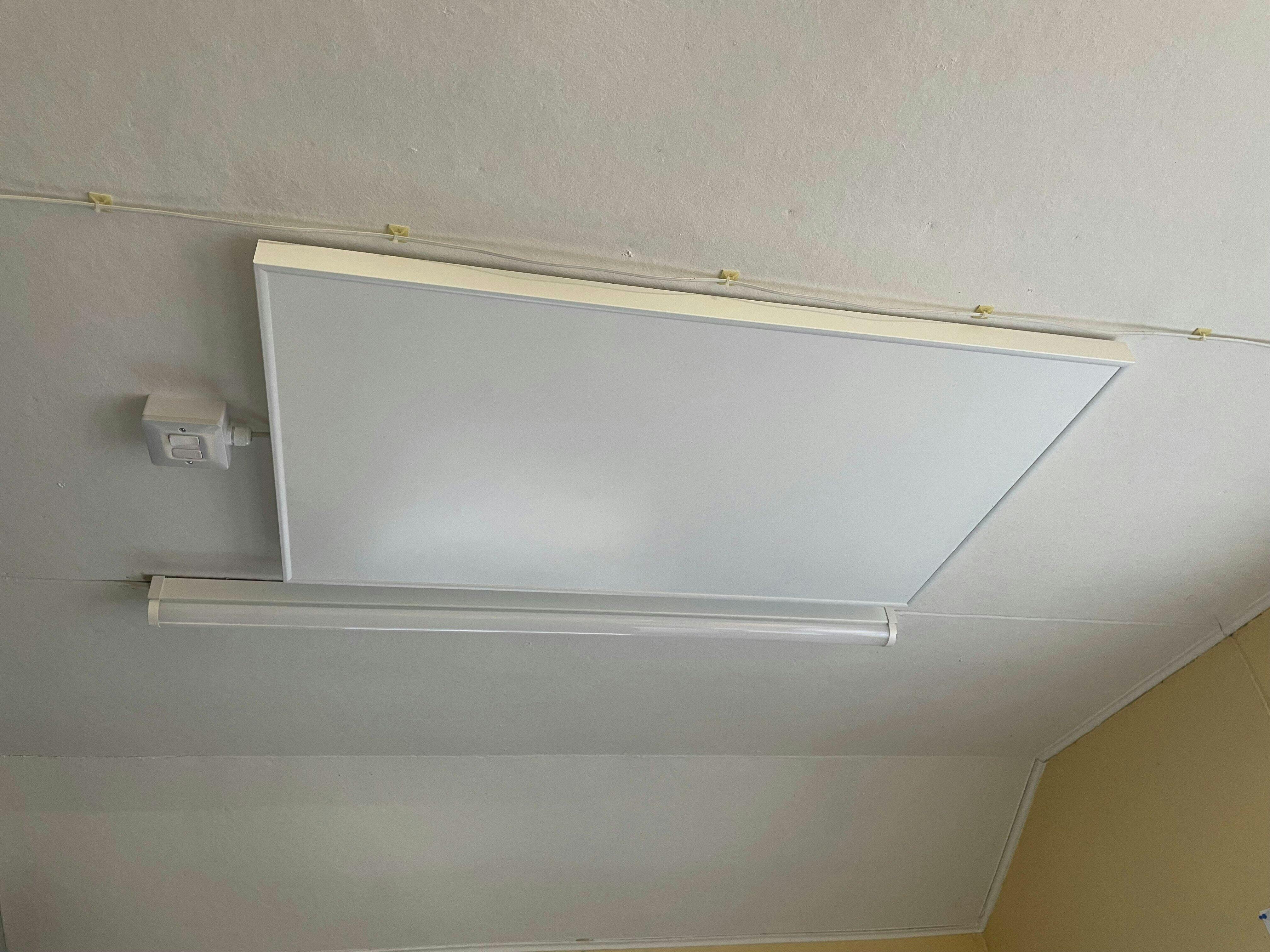
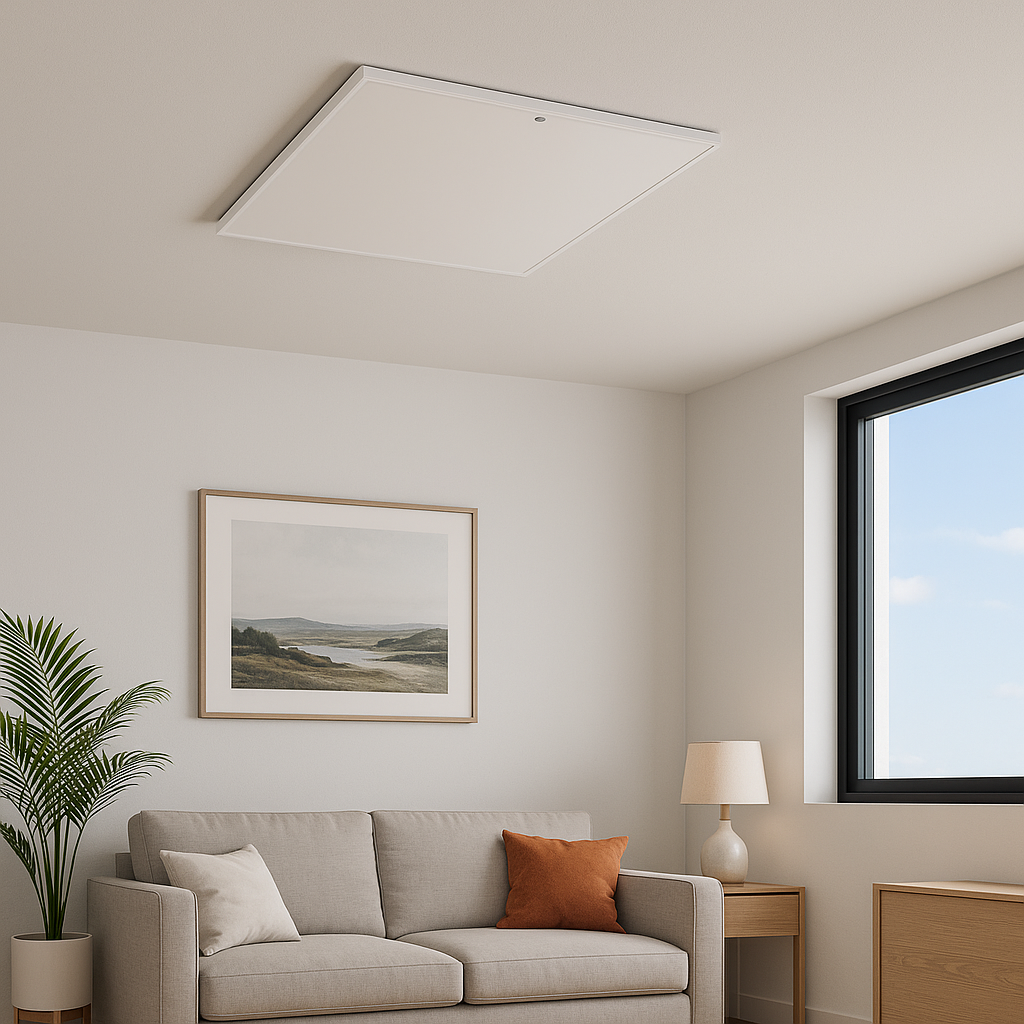
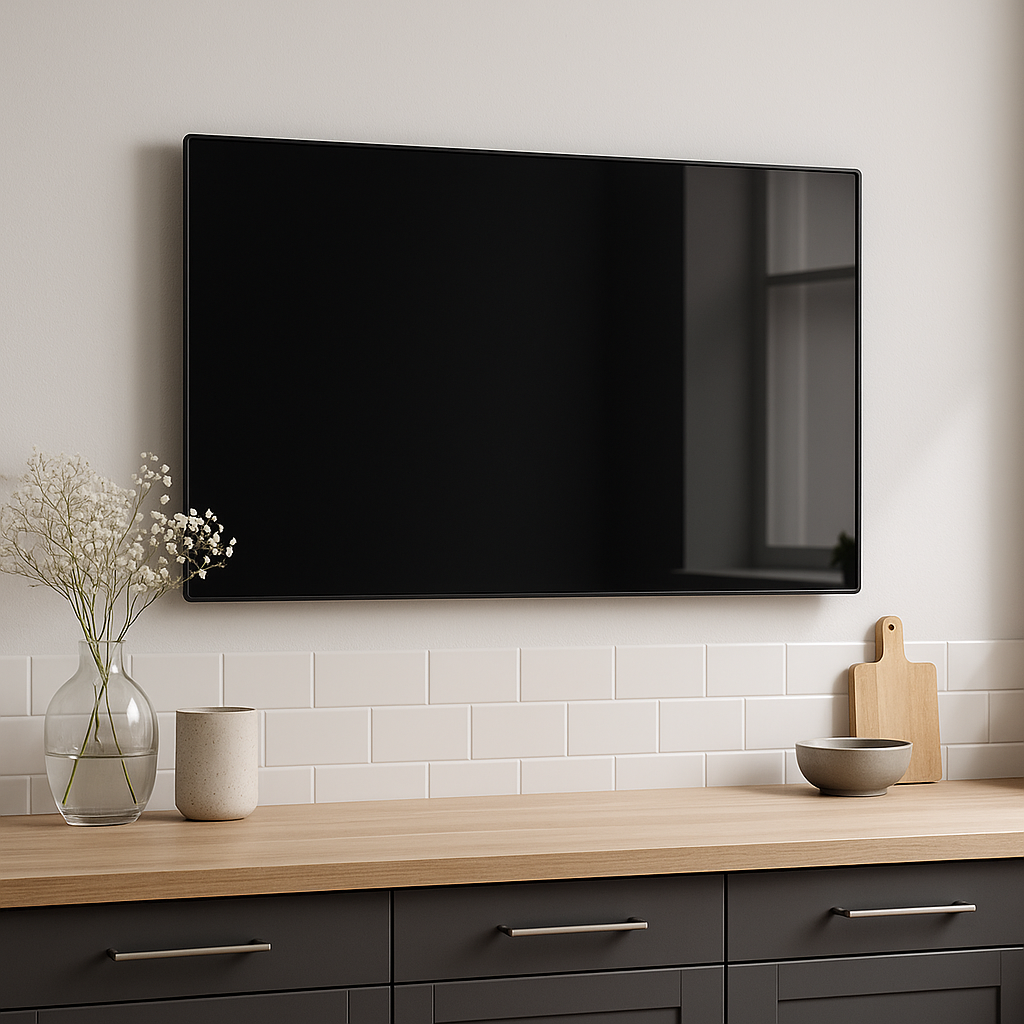
Ceiling mounted infrared panels are commonly used in hospitality venues to provide even coverage while remaining discreet and unobtrusive. Wall mounted options can also be used where ceiling installation is not suitable.
Zoned heating allows different indoor areas to be controlled independently. This is particularly useful in venues with multiple dining rooms or spaces that operate on different schedules.
Related guides

Calculate the right infrared heating for your space
Use our wattage calculator to determine the correct infrared heating setup based on room size, insulation, and how the space is used.
Performance and efficiency considerations
Hospitality venues often experience higher heat loss due to frequent door openings and high occupancy levels. Far infrared heating remains effective in these environments because radiant warmth is not carried away by moving air.
Ceiling mounted infrared panels are typically used to deliver even coverage across dining and bar areas while preserving wall space and interior design. These systems operate silently, making them ideal for customer-facing environments.
Because far infrared heating warms surfaces directly, floors and furnishings retain heat and help stabilise room temperature during busy service periods.
Infrared systems require minimal maintenance, with no moving parts, fluids, or combustion. This reduces downtime and ongoing servicing requirements compared to traditional heating systems.
For venues working towards sustainability goals, far infrared heating supports lower carbon operation and integrates well with renewable energy systems such as solar PV installations.
Frequently asked questions
Can far infrared heating be used in outdoor seating areas?
No. Far infrared heating is designed for fully enclosed indoor spaces. Outdoor or open-air areas require near infrared bar heaters instead.
Is infrared heating suitable for busy restaurant environments?
Yes. Far infrared heating works well in busy indoor hospitality spaces because it delivers direct radiant warmth that is not affected by airflow or frequent door use.
Will infrared heating affect ambience or air quality?
No. Far infrared heaters operate silently and do not move air, helping maintain a comfortable dining atmosphere without draughts or noise.
Can different areas of a restaurant be heated independently?
Yes. Zoned infrared heating allows separate dining rooms or bar areas to be controlled independently based on occupancy.