Infrared Heating for Churches
Churches are iconic buildings, rich in heritage and architectural beauty, but they are notoriously difficult and expensive to heat. Vast internal volumes, high ceilings, stone walls, and constant air movement mean traditional heating systems often struggle to deliver comfort without excessive energy use.
Conventional gas or convection heating systems attempt to warm the air, which quickly rises and escapes into roof spaces, leaving congregations cold at seating level. This results in long preheat times, uneven temperatures, and high running costs. Infrared heating offers a fundamentally different and far more efficient solution.
Instead of heating air, infrared heaters warm people, pews, walls, and flooring directly. This targeted radiant warmth is felt almost immediately and remains consistent throughout services, ceremonies, and community gatherings. Because heat is delivered where it is needed, churches no longer need to heat the entire building hours in advance.
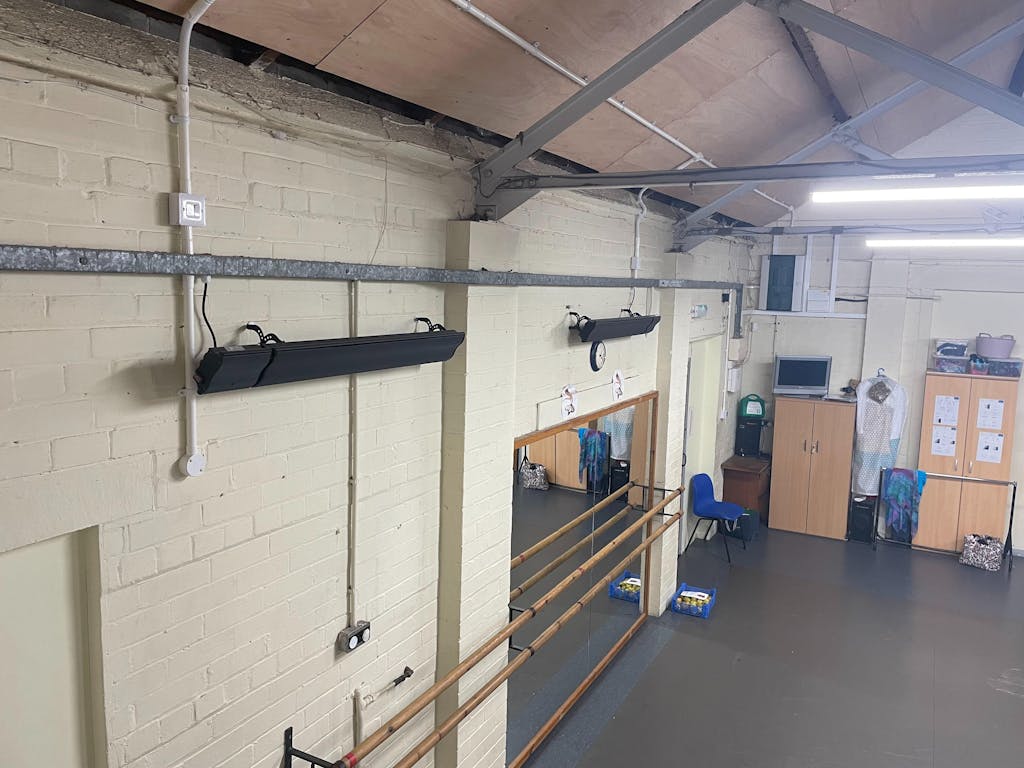
Infrared heating systems are electric and require no pipework or ducting. This makes them particularly suitable for historic and listed churches, where invasive installation work must be avoided. Slimline bar heaters can be installed discreetly at high level, preserving the sacred atmosphere and architectural integrity of the building.
Our detailed guide on how to heat a church efficiently without damaging the building explains why radiant heating is increasingly chosen for heritage places of worship.
Infrared Heating Supplies is an approved supplier of infrared heating for the Church of England, trusted by parishes and heritage organisations across the UK. Our systems are maintenance free, silent in operation, and designed to significantly reduce heating costs while improving comfort.
You can read our complete guide to efficient church heating to understand what churches should consider when upgrading their heating systems.
See how one of our clients, Baildon Methodist Church, successfully upgraded their heating system to infrared with excellent results.
What to choose – Built in thermostat vs non thermostat heaters
Our heating collection
Heating designed
around your space.
Explore our range of infrared heating - from discreet ceiling and wall panels to contemporary glass, mirror and high-output specialised heating solutions.


Where infrared heating works best in churches
Infrared heating is particularly effective in large, high ceiling spaces such as naves, aisles, chancels, and congregation seating areas. Radiant heat travels directly to people and surfaces, ensuring warmth is delivered at seating level rather than being lost above.
Wall mounted and ceiling mounted infrared bar heaters are commonly used to heat pews and occupied zones. This allows churches to warm only the areas in use, rather than wasting energy heating unused air volume.
Because infrared heat is unaffected by air movement, it performs reliably even when doors are opened during services or community events. This makes it ideal for churches with intermittent use patterns.
Church heating guides and resources
- How to heat a church efficiently without damaging the building
- The complete guide to efficient church heating
- How much does it cost to heat a church with infrared?
- Infrared vs traditional heating in churches
- Infrared heating for high ceilings in churches
- Why infrared heating is ideal for heritage church buildings
- Common church heating mistakes and how to avoid them
Explore our heritage infrared heaters designed specifically for churches and listed buildings, combining powerful radiant warmth with discreet installation.

Calculate the right infrared heating for your space
Use our wattage calculator to determine the correct infrared heating setup based on room size, insulation, and how the space is used.
Performance, heritage protection, and efficiency considerations
Heating large church buildings with conventional systems often leads to excessive energy loss. Warm air rises into roof spaces and is lost, while seating areas remain cold. Infrared heating solves this by delivering radiant warmth directly to people, pews, walls, and floors.
Infrared bar heaters are designed for high level installation and require no pipework, making them suitable for protected or listed buildings. Their slim, low profile design helps preserve interior aesthetics, which is critical in heritage environments.
Infrared systems can be zoned to heat specific areas only, allowing churches to reduce energy use during smaller services or weekday activities. When paired with smart thermostats, heating schedules can be aligned precisely with service times.
Read more to see our best recommendations for heating a Church with Infrared Heating
By warming walls and surfaces directly, infrared heating can help reduce condensation within stone buildings. This supports a drier internal environment and contributes to the long term preservation of historic fabric.
Churches switching to infrared heating commonly reduce energy consumption by up to 60%, supporting sustainability goals and significantly lowering heating bills. For many parishes, this makes infrared one of the most cost effective long term heating solutions available.
You can also read more about the environmental benefits of switching your church to infrared.
Frequently asked questions
Is infrared heating safe to use in historic churches?
Yes. Infrared heating systems are non intrusive and can be installed without altering or damaging historic interiors.
Will infrared heaters be visible inside the church?
No. Heaters can be installed discreetly at high level, ensuring they do not interfere with architectural features.
Can churches heat only certain areas?
Yes. Infrared heating is ideal for zoned heating, allowing churches to warm seating areas or specific zones only.
How much can churches save by switching to infrared?
Churches typically save up to 60% on heating costs when replacing older convection or gas heating systems.