Infrared heat is a naturally occurring form of energy that sits within the electromagnetic spectrum. It was first identified by Sir William Herschel in the early 19th century and has since been widely studied for its ability to transfer heat efficiently.
Unlike conventional heating systems that warm the air first, infrared heat transfers energy directly to solid objects, surfaces, and people. This fundamental difference in how heat is delivered is what gives infrared heating its distinctive performance characteristics in buildings.
How Infrared Heating Works
Infrared heaters emit electromagnetic waves that travel through the air until they come into contact with solid objects such as walls, floors, furniture, or the human body. When these waves are absorbed, they cause molecules within the object to vibrate, generating thermal energy that we experience as heat.
This process is similar to how sunlight warms your skin on a cold day. You feel the warmth directly, even though the surrounding air may still be cool. Importantly, infrared heating does not rely on air movement to distribute heat, and it does not produce ultraviolet radiation.
Infrared Radiation and the Electromagnetic Spectrum
Infrared radiation exists just beyond visible light on the electromagnetic spectrum, between visible light and microwaves. It spans wavelengths from approximately 700 nanometres (nm) to 1 millimetre (mm).
For practical applications, infrared radiation is commonly divided into three wavelength ranges, each with different characteristics and uses.
-
Near Infrared (700 nm – 1,400 nm)
Near infrared is closest to visible light and delivers intense, short-wave energy. It is commonly used in industrial processes such as drying, curing, and manufacturing applications where rapid, localised heating is required. -
Mid Infrared (1,400 nm – 3,000 nm)
Mid infrared provides a balance between penetration and heat intensity. It is used in a range of technical and specialist applications, including certain heating appliances and medical or therapeutic environments. -
Far Infrared (3,000 nm – 1 mm)
Far infrared has longer wavelengths and delivers a gentle, evenly distributed form of heat. This is the range most commonly used in residential and commercial infrared heating systems, as well as in applications such as infrared saunas, where comfort and consistent warmth are key.
Why Far Infrared Is Used for Building Heating
Far infrared is particularly well suited to heating buildings because of how it interacts with materials. Instead of heating the air, far infrared warms surfaces within a space, which then gently re-radiate heat back into the room.
This creates a more stable and comfortable indoor environment, with reduced temperature stratification and fewer cold spots. Because the air itself is not the primary heat carrier, far infrared heating can perform effectively in spaces with high ceilings, draughts, or intermittent occupancy.
To explore this in more detail, see our dedicated explanation of the difference between near, mid, and far infrared heat .
Infrared Heating in Everyday Environments
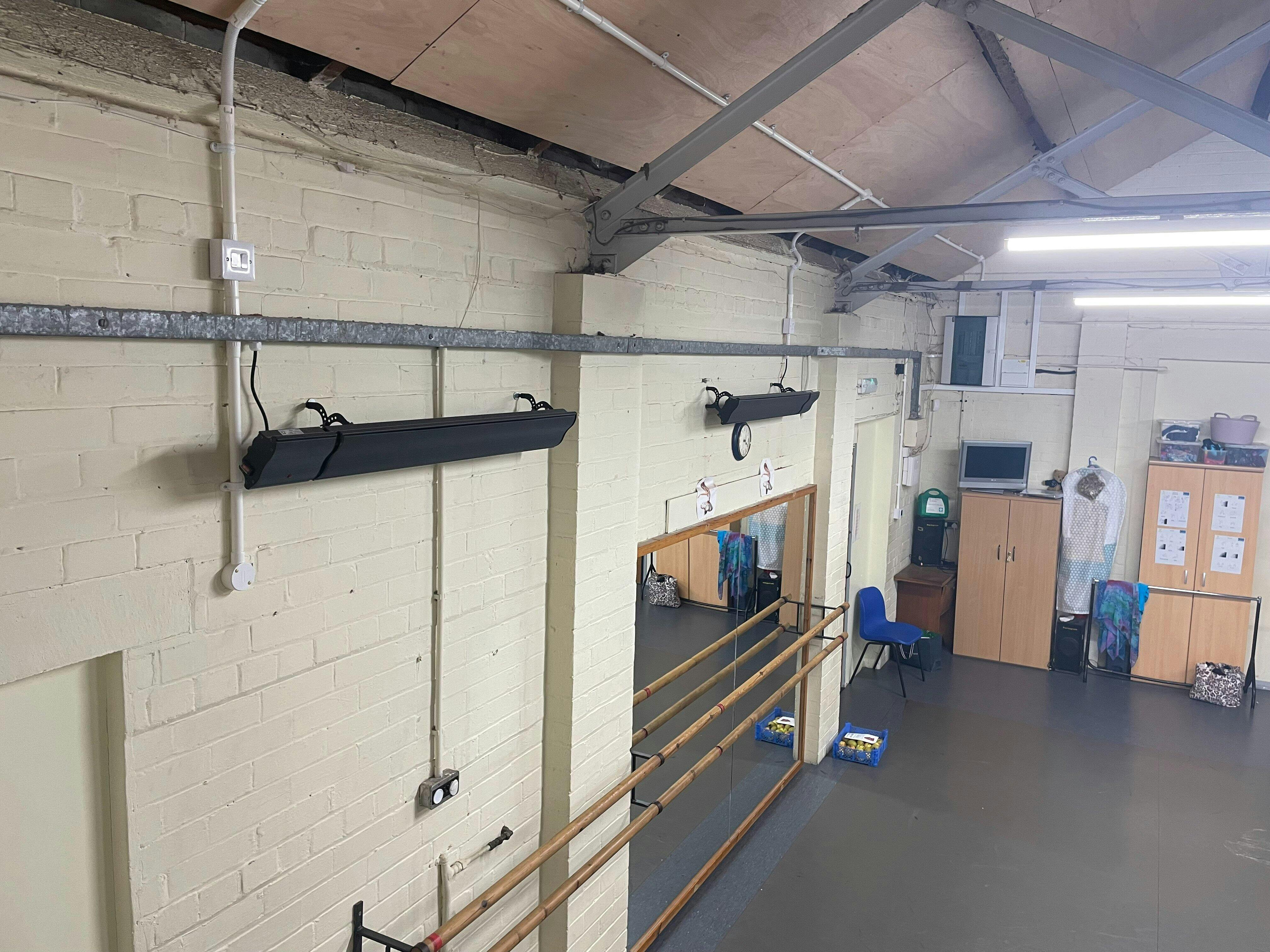
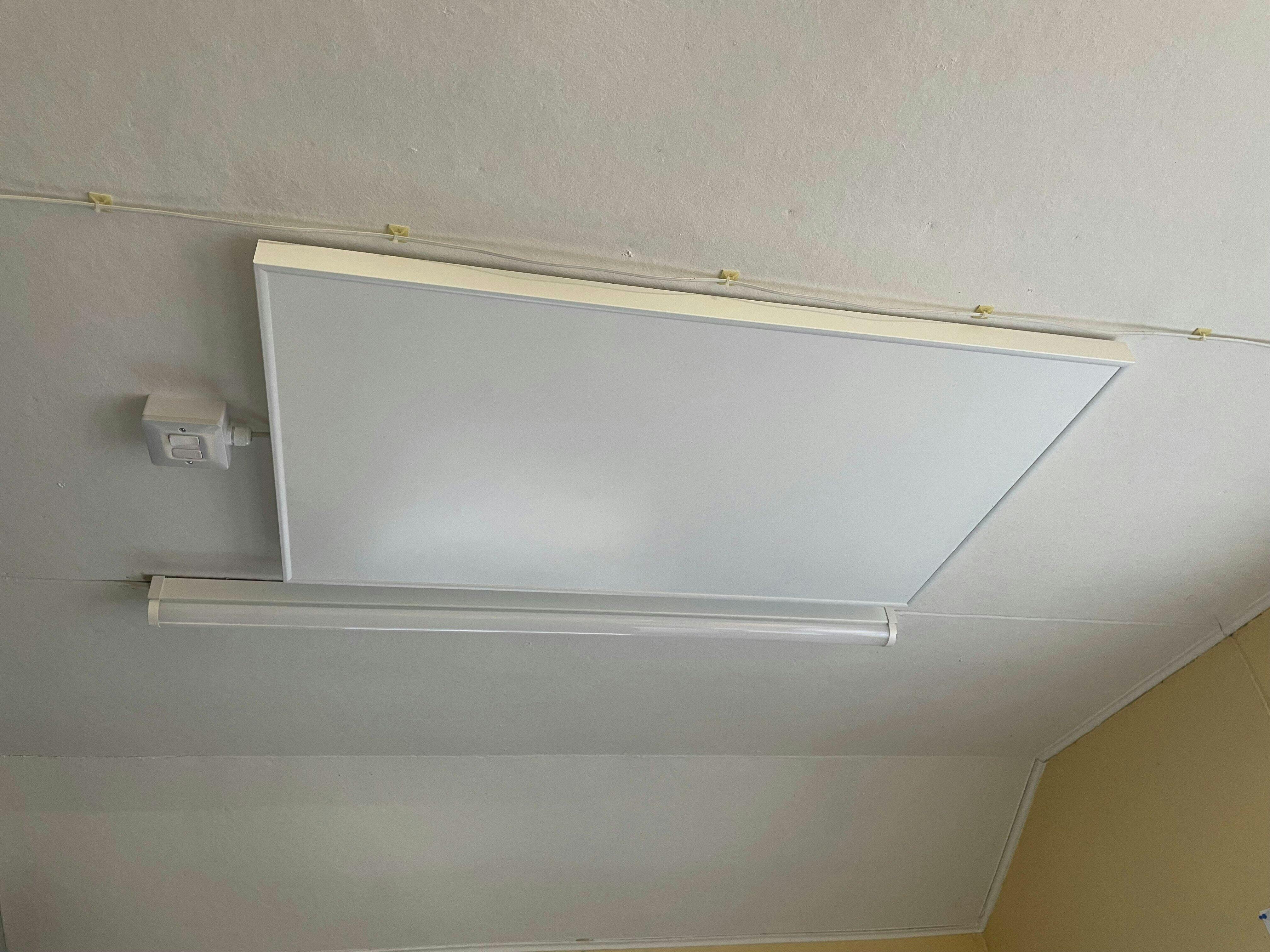
In practical terms, infrared heating systems are designed to replicate the natural way heat is experienced outdoors from the sun. By warming people and surfaces directly, infrared heating can deliver comfort more efficiently in a wide range of environments, from homes and offices to heritage buildings and commercial spaces.
Now that you understand how infrared heat works at a scientific level, you can explore how our far infrared heating solutions are applied in real-world settings and how they may benefit your specific space.