On this page

Infrared Heating Panels vs Electric Radiators: Which is Best?
Infrared Heating Panels vs Electric Radiators: Which is Best?
Infrared heating panels and electric radiators both run on electricity, but they do not perform in the same way. Electric radiators heat the air in a room, while infrared panels deliver radiant heat directly to people, walls, and furnishings. This difference affects warm-up times, comfort levels, and how much energy is actually required to feel warm, especially in rooms that are not heated continuously.
How They Work
Infrared Heating Panels
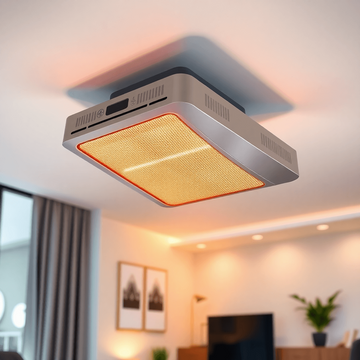
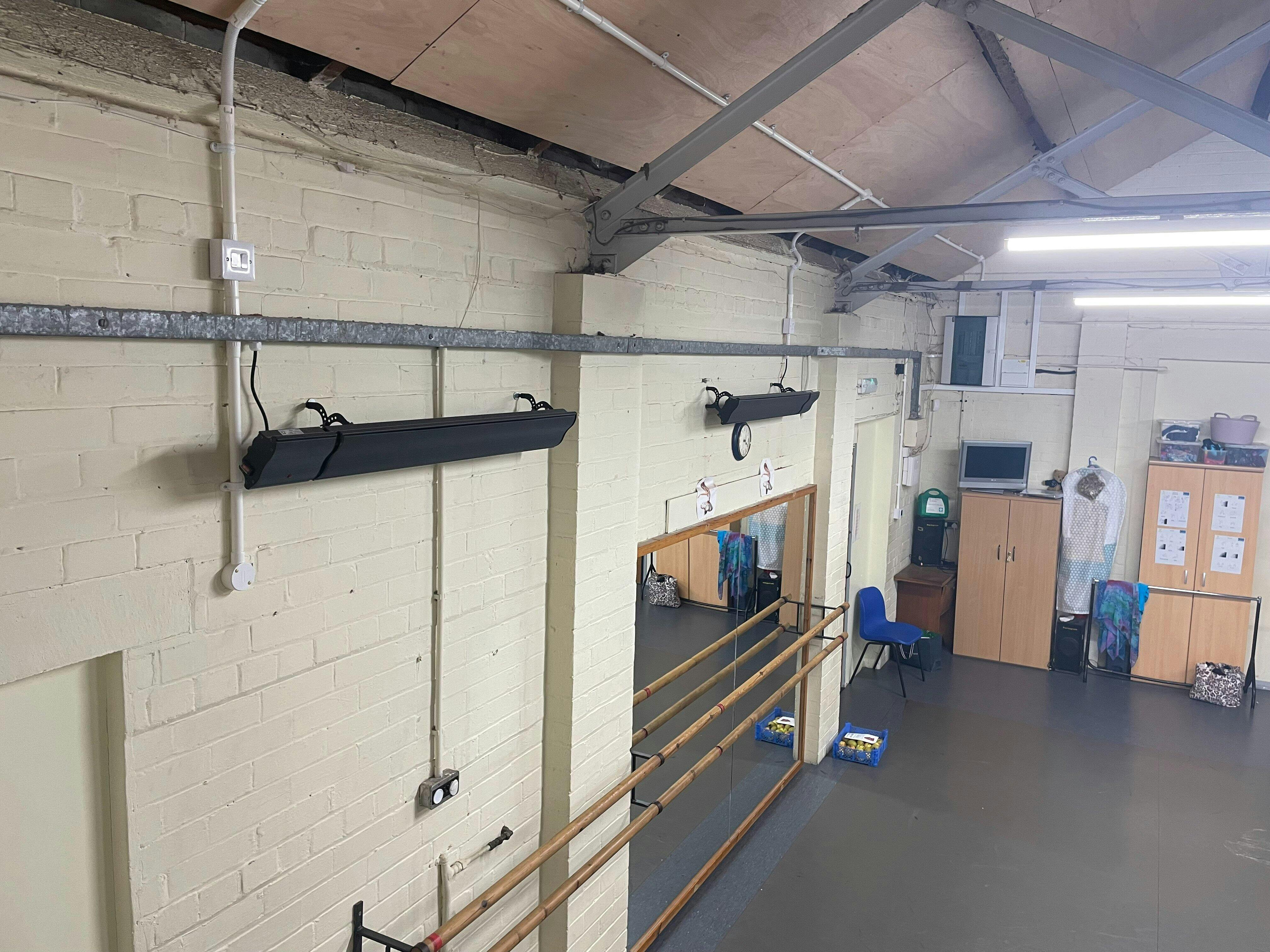
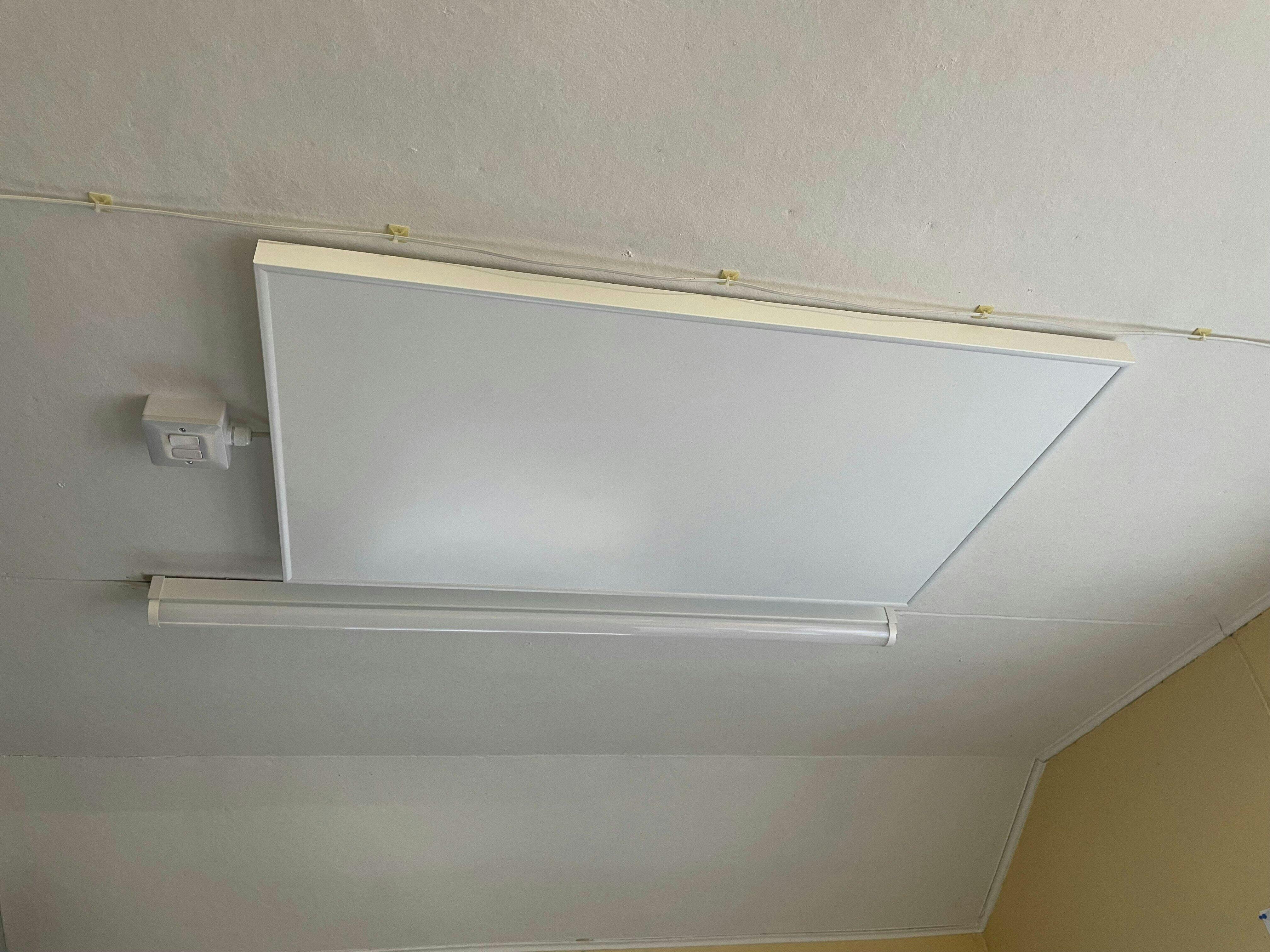
Infrared panels emit infrared radiation, which heats objects and people directly rather than the air. This is similar to how the sun warms your skin. The panels are usually slim, can be wall or ceiling-mounted, and start working as soon as they are turned on.
Electric Radiators
Electric radiators use convection heating, warming up the air in a room. They typically have internal heating elements that heat oil or ceramic inside the unit, which in turn heats the air around them. The air circulates to warm the space gradually.
You can also explore the wider differences in comfort and efficiency in our infrared heating vs traditional heating comparison.
Energy Efficiency
Infrared Panels
-
Heat is directed, reducing wastage.
-
No heat loss through draughts or open windows.
-
Ideal for spot heating (e.g., desks, workstations).
-
Lower wattage requirements than electric radiators.
Electric Radiators
-
Heat the air, which can rise and escape through ceilings or ventilation.
-
May require more energy to maintain a consistent temperature.
-
Not as efficient in poorly insulated spaces.
Winner: Infrared Heating Panels – They offer more targeted, energy-efficient heating.
Running Costs
Infrared panels generally have lower running costs due to their efficiency. They warm objects and people directly, so you don’t need to run them for as long. Electric radiators may require more energy to maintain ambient room temperature, especially in larger spaces.
To understand how these differences translate into real household energy use, you can also read how much infrared heating costs to run in the UK.
Installation and Maintenance
Infrared Panels
-
Easy to install on walls or ceilings.
-
Slimline, modern appearance.
-
Low to zero maintenance.
Electric Radiators
-
Typically wall-mounted, bulkier than infrared panels.
-
May require professional installation.
-
Requires periodic checks.
Winner: Infrared Panels for ease of installation and maintenance.
Comfort and Heating Experience
Infrared Panels
-
Provide a comfortable, natural warmth.
-
No air circulation means reduced dust and allergens.
-
Silent operation.
Electric Radiators
-
Warm air may cause dryness and circulate dust.
-
Can take longer to heat up a room.
-
May make operational noise.
Winner: Infrared Panels for a healthier and quieter heating experience.
Aesthetics and Space Saving
Infrared panels are slim and sleek, often resembling mirrors or picture frames, making them ideal for modern interiors. Electric radiators are generally bulkier and less visually appealing.
Conclusion: Which is Best?
For most modern homes and offices, infrared heating panels are the superior choice due to their efficiency, aesthetics, low maintenance, and healthier heating method. However, electric radiators still have their place in certain settings, particularly where ambient air heating is preferred or where insulation is poor.
To estimate how much heating your own rooms require, you can use our wattage calculator.
Still unsure which option is right for you? Contact us today at Infrared Heating Supplies for expert advice and explore our full range of infrared heating solutions.
Next steps: choose the right infrared heating
Continue with one of these popular options:
- Shop All Panels, accessories & bundles.
- Wattage Calculator Get the right watts for your room.
- How Infrared Works Benefits, costs & installation.